
 630-584-5550


Recent Blog Posts
What You Should Know About the “Right of First Refusal” in an Illinois Parenting Plan
 Divorced and unmarried parents in Illinois are required to submit a parenting plan, or parenting agreement, to the court. The plan describes how the parents will allocate parental responsibilities and share parenting time. A shared parenting arrangement can leave one parent with significantly less parenting time than he or she would prefer. If you are looking for ways to increase your parenting time, one way to do so may be through the “right of first refusal.”
Understanding Your Right to Enjoy Additional Parenting Time
The right of first refusal refers to a parent’s right to gain additional parenting time when the parent who is assigned parenting time cannot fulfill this commitment. Consider the following example: A father is assigned parenting time, formerly called visitation, every other weekend. He misses his children and wishes he could spend more time with them. On one of the weekends that the children’s mother is assigned parenting time, she must leave town for a work obligation. Because the parents included directions about the right of first refusal in their parenting plan, the mother is required to notify the father about her work trip and give him the opportunity to care for the children during her absence. If the father cannot take on the additional parenting time, then the mother is permitted to find a third-party such as a babysitter or grandparent to care for the children.
What Information Is Required in an Illinois Parenting Agreement?
 If you are planning to divorce and you share children with your spouse, you will be required to create a “ parenting agreement” or parenting plan as part of your divorce. The parenting agreement will include key information about how you and your child’s other parent plan to share parental responsibilities and make important decisions about your children. Many divorcing spouses disagree regarding the terms of their parenting agreement. In these cases, mediation and assistance from an experienced family law attorney can be valuable resources.
Defining Each Parent’s Rights and Responsibilities
The parenting agreement is not simply another piece of divorce paperwork. This agreement will act as the main authority regarding each parent’s child-related responsibilities, expectations, and rights after the divorce. Illinois law identifies the elements that must be addressed in the parenting plan. These elements include:
What Can I Do If My Child’s Other Parent Refuses to Pay Child Support?
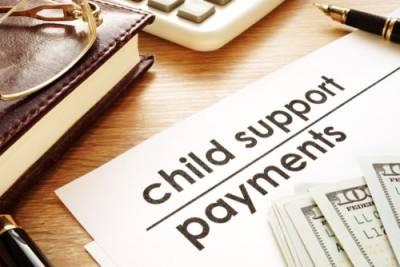 Research shows that the total cost of raising a child into adulthood averages over $230,000. If you are an unmarried or divorced parent, you may understandably struggle to make ends meet without support from the other parent. Children deserve to benefit from financial support from both of their children, regardless of if the parents are married. This is why Illinois law requires many divorced and unmarried parents to pay child support. Unfortunately, some parents to do not take this essential obligation seriously. If your child’s other parent has not been paying his or her fair share of child support, he or she could face major consequences including wage garnishment and more.
Establishing Child Support in Illinois
Casual child support agreements between parents cannot be enforced by Illinois courts. In order for your child’s other parent to be legally mandated to pay child support, you will need to formally establish child support through the court system. The court will determine the amount of child support based on each parent’s income and assets, the amount of parenting time each parent is assigned, the child’s needs, and other factors. It is important to note that child support orders can only be entered once paternity has been formally recognized. If your child’s biological father is not paying child support and he is not the legal parent of your child, you will need to first establish paternity before you can start receiving child support.
When Do Alimony Payments Terminate in Illinois?
 If you are planning to divorce and there is a discrepancy between you and your spouse’s financial circumstances, you or your spouse may be required to pay spousal support. Also called alimony or spousal maintenance, spousal support is typically designed to supplement a lesser-earning spouse’s income until he or she can obtain the skills or education needed to gain appropriate employment. The amount and duration of spousal support payments depend on a wide range of factors and vary from case to case. Spousal support payments are often temporary, but in some cases, permanent spousal support is ordered.
Illinois Laws Regarding Spousal Support
Some spouses are required to pay spousal support after a divorce because of provisions in their prenuptial agreement or postnuptial agreement. If you and your spouse have previously agreed on a spousal support arrangement in a marital agreement and the court finds that agreement valid, you will be expected to comply with the agreed-upon terms. If no such agreement exists, you and your spouse may negotiate a spousal support arrangement or the court will determine a fair spousal support order. The court will consider you and your spouse’s age, health, income, assets, employability, contributions to the marital estate, and other information in order to determine whether or not spousal support is appropriate.
Contempt of Court for Refusing to Comply with a Divorce Order
 Divorce settlements often contain orders regarding property division, debt payment, the allocation of parental responsibilities, parenting time, child support, spousal support, and other matters. One concern many people getting a divorce have is whether their soon-to-be ex-spouse will actually comply with the terms contained in the divorce settlement or judgment. It is important to remember that court orders are not optional. If an individual deliberately refuses to follow a court order, including orders related to divorce, he or she can be charged with contempt of court.
Contempt Charges for Failing to Comply with a Property Division Order
When you get divorced, you will be expected to fulfill the obligations specified in your property division order. For example, you may be required to make mortgage payments, pay off a shared credit card, or submit certain property to your former spouse. If you purposely do not follow the directions in your property division order, you may be held in contempt of court. The possible penalties for contempt of court include steep fines and even jail time.
How Should I Tell My Children About the Divorce?
 Getting a divorce in any circumstance can be heartbreaking and overwhelming. However, getting divorced when you have children with your spouse can be especially challenging. Many parents worry that ending their marriage will be traumatic for their children. While breaking the news of divorce to children is never a pleasant conversation, there are certain steps parents can take that may minimize the trauma as much as possible.
Have a Family Meeting About the Impending Divorce
Child development experts and mental health professionals generally agree that it is best to break the news of divorce with both parents present. Use the word “we” when explaining the split to the children – even if the divorce was not a mutual decision. When only one parent tells the children about the divorce, it can make the children feel like they have to choose sides. While some families choose to tell the older siblings before the younger siblings, many mental health professionals suggest telling the children all together regardless of their ages. When some children know about the divorce before the others, it leaves them with the unfair burden of keeping a secret.
Considerations When Divorcing an Abusive Spouse
 The National Coalition Against Domestic Violence estimates that one in four women and one in nine men have been the victim of violence or stalking at the hands of a romantic partner. Domestic violence affects people of all ages, ethnicities, and income levels. If you have been a victim of domestic violence or abuse at the hands of your spouse, you may be considering divorce. Leaving an abusive spouse takes a tremendous amount of courage. If you are divorcing a spouse who has abused you physically, emotionally, financially, or otherwise, you should know that you do not have to face the divorce process alone. A skilled divorce lawyer can help you with orders of protection, child custody, and child support concerns, property division, and more.
Emergency Orders of Protection
If you are worried that your spouse will react violently when you leave him or her, you may want to obtain an emergency order of protection (EOP), sometimes referred to as a “restraining order.” An EOP is a court order that instructs an abusive spouse or other family member to stay a certain distance away from you, your children, or your workplace or school. EOPs can contain many different types of directions depending on your particular needs. If the abuser violates the terms of the EOP, call the police and he or she will be arrested.
Can Mediation Help Parents Design an Illinois Parenting Plan?
 If you are a parent getting divorced in Illinois, you will be required to submit a “parenting plan” or parenting agreement regarding how you intend to care for your children after the divorce. The plan must contain directions for the allocation of parental responsibilities as well as parenting time, or visitation. While some parents take on all of the parental responsibilities, sometimes called having “sole custody,” a shared parenting arrangement is more common. Parents who wish to share parental responsibilities will need to include a parenting time schedule and directions for how child-related duties will be divided between the parents in their Illinois parenting plan. If you and your child’s other parent are struggling to come to an agreement about how to share parental responsibilities and parenting time, mediation may be a way to reach a resolution.
The Benefits of Mediation For Divorcing Parents Who Cannot Agree
Is Legal Separation Right for Me?
 Legal separation is one way that a married couple can live apart, manage parenting issues, and isolate their finances from the other spouse without getting divorced. There are a great number of reasons that a couple may choose to get a legal separation. Separation offers many of the same benefits as divorce, but unlike divorce, separation is reversible. Only you can decide whether or not legal separation is right for you. If you do decide to separate, make sure to understand your rights and responsibilities regarding separation under Illinois law.
Why Do Married Couples Become Legally Separated?
In some cases, a couple knows that there are major problems in their marriage, so they separate for a period of time in order to work on these problems independently. Other times, a couple separates because they are not ready for the finality of divorce but they want to live apart and divide their parental responsibilities and finances until they decide if divorce is the next step. Some religions prohibit divorce, so members of those religions who do not want to live with their spouse get a separation in order to gain some of the benefits of divorce without actually ending the marriage. There also may be tax, social security, and health insurance-related advantages to remaining legally married. Legal separation can also be a great way to protect your finances from a spouse you are currently in the process of divorcing.
When Is Spousal Maintenance Awarded in an Illinois Divorce?
 Spousal maintenance, also referred to as spousal support or alimony, can help a lesser-earning spouse avoid being at a serious financial disadvantage after getting divorced. When a married couple divorces in Illinois, it is not guaranteed that a spouse will be required to pay spousal maintenance to the other. Whether or not a spouse receives spousal support and the amount and duration of payments are based on a variety of circumstances.
Spouses Can Decide on Alimony Arrangements in a Prenuptial or Postnuptial Agreement
One way that a spouse can receive spousal maintenance is if the spouses have previously signed a prenuptial agreement or postnuptial agreement that dictates what spousal maintenance arrangements will be if the couple divorces. For example, if a spouse plans to sacrifice educational and career opportunities to be a homemaker or stay-at-home-parent, the spouse may want to ensure his or her right to adequate spousal maintenance if the marriage ends. A prenuptial agreement, or “prenup,” allows spouses to make decisions about the amount and duration of maintenance payments in advance. However, it is essential that prenuptial agreements meet the criteria required by Illinois law. If a prenup is signed under duress, contains extremely unfair provisions, or otherwise does not meet the guidelines set forth in the Uniform Premarital Agreement Act (UPAA), it may not be legally enforceable. It is always a good idea to have an experienced family law attorney review any marital agreements to ensure that they are valid.





 630-584-5550